
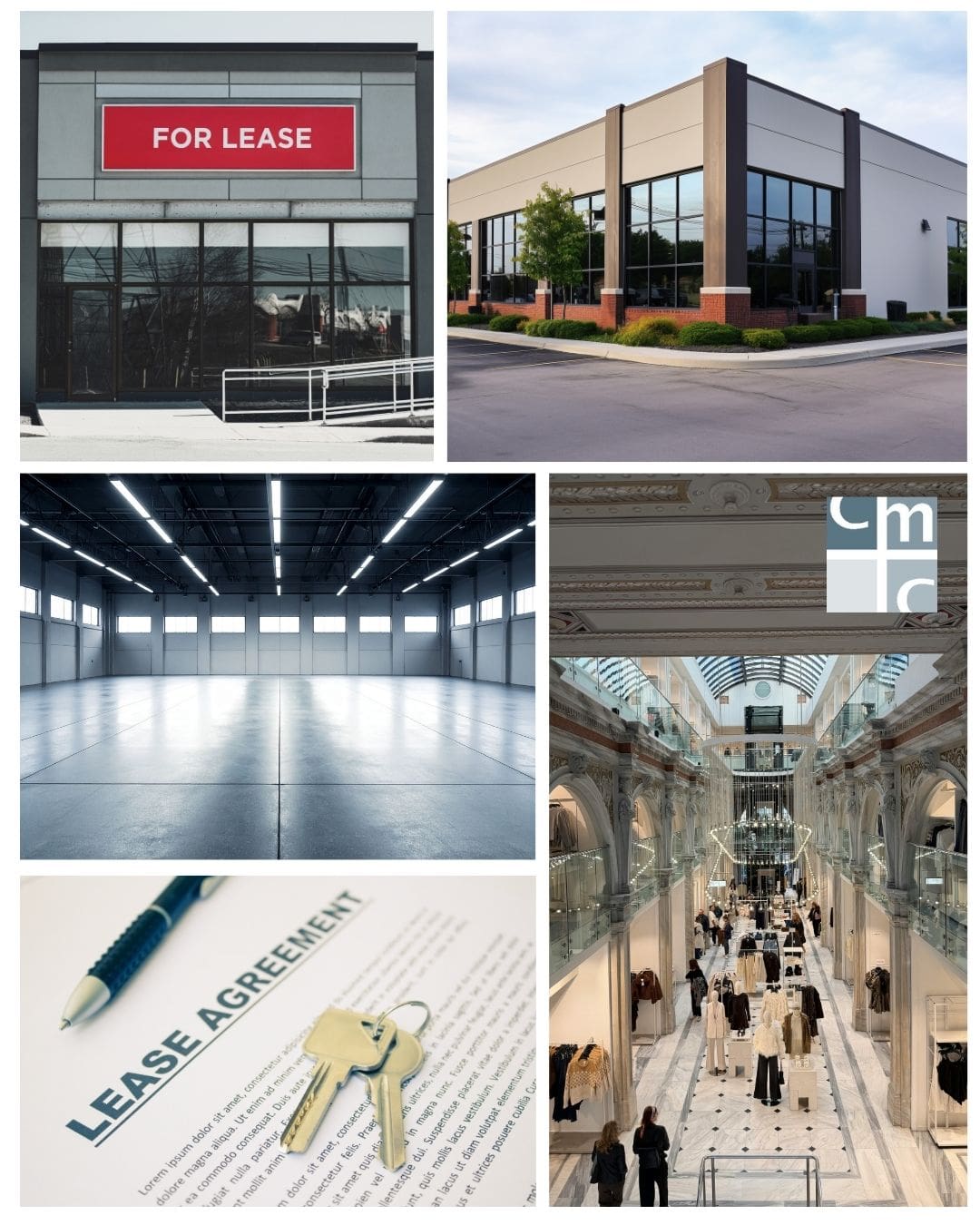
Whether you are a landlord looking at drafting a new lease or a commercial tenant looking to sign a lease on a property, there are major considerations that you should understand to protect your future interests. These are some common terms used in leasing law.
Permitted Use – probably one of the most important considerations is whether the premise’s permitted usage will be for retail purposes or commercial purposes. This critical factor determines whether the landlord or the tenant pays for the preparation of the lease and other required documents. The legislation that applies to leases lists the types of business activities that are regarded as ‘retail’. Rent reviews in retail leasing are mandated to be compliant with the Act, reducing the variables and time frames for when rental increases may occur.
Retail Lease – in addition to the landlord paying for the drafting of the lease, they are required to provide a Disclosure Statement to the incoming tenant a minimum of seven days prior to entering into the leasing agreement. The Disclosure Statement must clearly set out the ongoing costs required to be paid by the tenant and provides the tenant with certain information about the property.
Commercial Lease – these are not covered by legislation and rely heavily on common law principles. This does not mean that formal requirements, unfair contract terms or other acts do not offer both parties protection, but these leases are less regulated and offer more freedom to negotiate. The tenant pays for the drafting of the commercial lease unless both parties have agreed to bear their own legal fees throughout the drafting and negotiation process.
Registration – leases that are for a term of three years or more (including the option period) are required to be registered in NSW. The registration fees are usually paid by the tenant and offer both the tenant and the landlord protection on title. If the landlord is looking to sell the premises, the lease advises an incoming purchaser of the tenant’s legal rights of possession.
Outgoings – these are costs that the tenant agrees to pay in addition to the rent. These charges can be considerable, and it is not uncommon for the tenant to be overcharged if these costs are not expressly outlined in the lease for transparency.
‘Make Good’ – these clauses in leases require the tenant to complete certain works at the conclusion of the lease, subject to fair wear and tear. This obligation requires the tenant to rectify any damage to the property caused by their actions and restore the property to its former state. Experienced drafting of such clauses is of substantial benefit for both parties.
Option Period – option terms under a lease require the tenant to exercise their right to enter into a new lease within a certain timeframe. Failure to provide notice during this period may see your right to remain in the premises lapse on the termination date.
Retail and commercial leases are complex. Failing to enter into them properly at the start with solid legal advice could cost you money in the long run, regardless of whether you’re the landlord or the tenant. Good legal advice can save you money and protect your rights.